
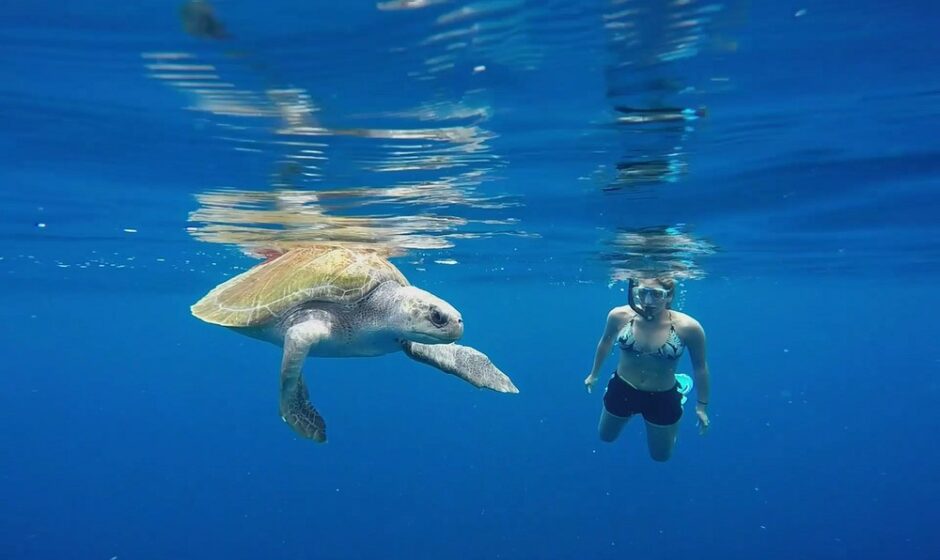

Snorkeling is one of the most accessible adventure activities in the world. Anyone who can float in waist-deep water can usually learn the basics within an hour. The reward is access to a world most people only see in nature documentaries. Coral gardens. Tropical fish. Sea turtles. Stingrays gliding past in slow motion. The ocean has a different character when you’re looking down through a mask rather than from the deck of a boat.
For many first-timers, hesitation comes more from anxiety than from physical difficulty. Breathing through a tube while your face is underwater feels strange the first time. Wearing fins and a mask in open water can feel awkward at first. Knowing what to expect and approaching the experience with the right gear makes the difference between a frustrating session and a memorable one.
Why First-Timers Hesitate
The most common worry isn’t drowning. It’s a vague fear of the unfamiliar. The face-in-water feeling triggers a natural response in many adults who haven’t spent much time swimming since childhood. The thought of breathing through a small tube can feel claustrophobic until you actually do it.
The good news is that these worries fade within the first few minutes of being in the water. The body adapts quickly to the new sensations. The view below the surface keeps your attention. Most first-timers find themselves wishing they had tried it sooner.
Essential Gear
Three pieces of equipment matter for snorkeling. The mask. The snorkel. The fins. Quality gear makes the difference between an enjoyable hour in the water and a frustrating experience punctuated by leaks and fogging.
The Mask
A good mask seals comfortably against your face without being too tight. Try it on dry. Press the mask gently against your face without using the strap. Inhale through your nose. The mask should stay in place from suction alone. If it falls off or leaks air, the seal is poor and the mask will leak water once you’re swimming.
Look for tempered glass lenses rather than plastic. The clarity is significantly better and the glass resists scratching. A mask that costs forty to sixty dollars typically performs much better than a budget rental at the same price as a cheap restaurant lunch.
The Snorkel
A simple J-shaped snorkel works fine for most beginners. More advanced models include a splash guard at the top to keep waves out and a purge valve at the bottom for clearing water easily. Look for a comfortable mouthpiece. A bad mouthpiece can cause jaw fatigue after just twenty minutes in the water.
The Fins
Fins make swimming far less tiring. Full-foot fins slip on like shoes and work best in warm tropical water. Open-heel fins worn over neoprene booties offer better protection if you’ll be walking across rocks or coral rubble to reach the water.
The fins should fit snugly without pinching. Too loose and they create blisters. Too tight and they cut off circulation in your toes. Try them on with the booties or socks you plan to use in the water.
A Note for Caribbean Cruise Passengers
A Caribbean cruise offers some of the best snorkeling destinations in the world. Cayman Islands. St. Maarten. Cozumel. The Bahamas. Each port has shore excursions ranging from gentle introductory snorkels to drift dives along coral walls. The water is warm year-round. Visibility often exceeds eighty feet on calm days.
Most cruise lines offer snorkel rental as part of their excursion packages. The rental gear is usually adequate but rarely premium. Travelers who plan to snorkel at multiple ports often save money and frustration by bringing their own mask and snorkel from home. Quality gear that fits your face properly transforms the experience.
Many ships also offer onboard snorkel orientation sessions during sea days. These are worth attending even if you’ve snorkeled before. Refreshing the basics in a calm pool setting helps if you’ve been out of the water for a while.
Basic Technique
Start in shallow calm water where you can stand up if needed. Get the mask seated correctly. Hair or strap interference will cause leaks. Bite gently on the snorkel mouthpiece and breathe slowly through your mouth. Hold the snorkel above water for the first few breaths to confirm the airflow feels natural.
Lower your face slowly into the water while continuing to breathe through the snorkel. Many first-timers hold their breath without realizing it. Conscious slow breathing helps the brain accept that air is still flowing. Float face down with your arms relaxed at your sides. Use your fins to propel yourself with slow easy kicks from the hip rather than the knee.
If water enters the snorkel, lift your head and blow forcefully through the tube to clear it. Then resume normal breathing. A purge valve at the base of the snorkel makes this even easier. Practice clearing several times before you head into deeper water. The skill becomes automatic quickly.
Managing Fear of the Water
Anxiety is real and worth addressing rather than ignoring. Start by spending time in shallow water with your face down before adding the snorkel. Just getting comfortable looking through the mask helps enormously.
Use a flotation device if it helps. A pool noodle or a small flotation belt provides extra buoyancy and lets you focus on breathing rather than on staying afloat. Many people who use flotation aids for their first sessions abandon them within a day or two as confidence builds.
Snorkel with a buddy. The presence of another person within arm’s reach is reassuring even if you never need help. A guided tour with an experienced leader works similarly. Many resorts and cruise excursions include guides whose job is partially to spot and support nervous first-timers.
If panic does happen, the solution is to roll onto your back. The mask comes off easily. Floating face-up while you catch your breath resets the situation in under a minute. Practice the move once in shallow water so it feels familiar if you need it.
Where to Start
The best first snorkel happens in calm warm water with good visibility and easy entry from a beach. Sandy bottom areas with scattered coral heads provide plenty to see without the depth that intimidates beginners. Many resort beaches in the Caribbean fit this description perfectly. Ask the dive shop or excursion operator about beginner-friendly sites.
Avoid open water with current for your first session. Save the drift snorkels along reef walls for after you’ve built confidence in calmer conditions.
Safety Basics
Always check current and weather conditions before entering. Even calm-looking water can have hidden currents. Stay near other snorkelers. Wear bright-colored gear or a fluorescent rash guard so boaters can see you.
Don’t touch the coral. Beyond the harm to the reef, some coral can sting. Don’t chase or grab marine life. Sea turtles and rays may look slow but can move surprisingly fast when startled.
Watch the sun. The back of the legs and the back of the neck burn faster than you’d expect when floating face down for an hour. A long-sleeve rash guard helps enormously.
The Reward
The first time a sea turtle glides past you a few feet below the surface, all the gear preparation and technique practice feels worth it. Snorkeling opens an entire dimension of the world that most people only experience secondhand. A few hours of practice gives you access to it for the rest of your life.