
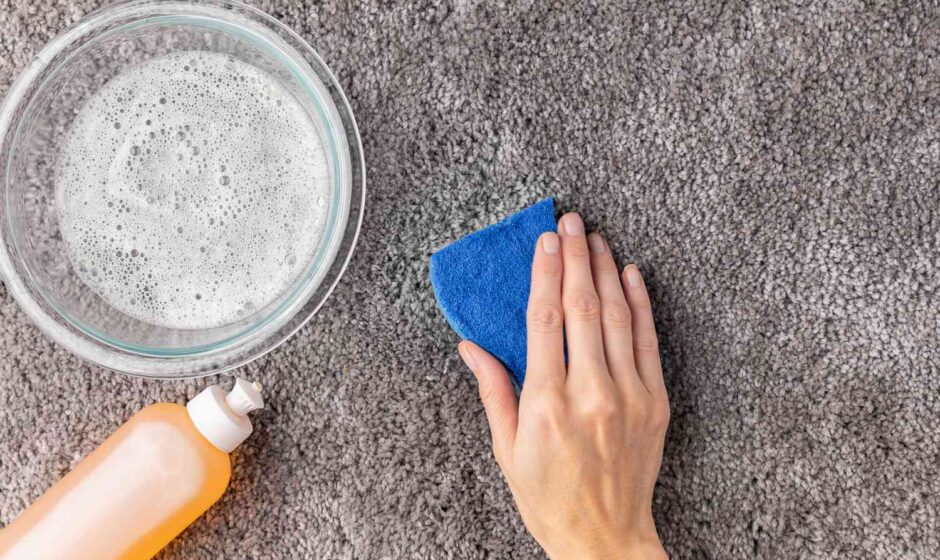

Act fast. Cold water is your first move—milk stains are protein-based, and cold water stops the proteins from setting into the fabric. Hot water makes them permanent. The fresher the stain, the easier the job, but knowing exactly how to remove milk stains with a bit of dish soap or enzymatic cleaner can save your favorite shirt from the bin.
Here’s exactly what to do for fresh stains, dried stains, and every common fabric type.
What You’ll Need
| Item | Purpose | Where to Find It |
| Cold water | Rinse and dilute fresh stain | Tap |
| Dish soap or laundry detergent | Break down milk proteins and fat | Kitchen / laundry |
| White vinegar | Natural deodorizer, loosens dried stains | Kitchen |
| Baking soda | Absorbs odor and lifts residue | Kitchen |
| Enzyme-based stain remover | Best for stubborn or dried stains | Supermarket / pharmacy |
| Clean white cloth or sponge | Blotting – avoid colored cloths that may transfer dye | Home |
Step-by-Step: Fresh Milk Stains
- Act immediately – don’t let it sit.
- Blot the stain with a clean dry cloth. Do not rub – rubbing spreads the stain and pushes it deeper into the fibers.
- Rinse the back of the stain with cold running water for 30-60 seconds.
- Apply a small amount of dish soap or liquid laundry detergent directly to the stain. Work it in gently with your fingers or a soft brush.
- Rinse again with cold water.
- If the stain persists, soak in cold water for 15 minutes, then rewash.
- Check before drying – if any stain remains, treat again before putting in the dryer. Heat sets stains permanently.
Step-by-Step: Dried Milk Stains
Dried stains need a bit more work, but they’re not lost causes.
- Scrape off any dried residue gently with a spoon or dull knife.
- Soak the area in cold water for 10-15 minutes to rehydrate the stain.
- Apply an enzyme-based stain remover (like Vanish or Zout) and let it sit for 15-30 minutes. Enzyme cleaners break down the proteins specifically.
- Wash normally in cold water.
- For lingering smell (sour milk odor), soak in a solution of 1 cup white vinegar + 2 cups cold water for 30 minutes before washing.
By Fabric Type
| Fabric | Method | Watch Out For |
| Cotton | Cold water soak + enzyme cleaner + machine wash | Safe for most treatments |
| Wool | Dab with cold water + mild wool detergent, hand wash only | Never hot water or scrubbing – shrinks and felts |
| Silk | Blot only, dab with cold water + gentle detergent | No rubbing, no soaking, no wringing |
| Synthetic (polyester, nylon) | Cold water + dish soap, machine wash cold | Avoid bleach – can damage fibers |
| Denim | Cold soak + enzyme cleaner, wash inside out | Cold water only to prevent fading |
| Carpet / Upholstery | Blot, apply baking soda paste, vacuum when dry | No saturating – moisture can cause mold underneath |
What NOT to Do
- Never use hot water on a fresh milk stain. Hot water denatures the protein and bonds it to the fabric.
- Don’t rub – always blot. Rubbing spreads the stain and damages fabric fibers.
- Don’t put it in the dryer until you’re sure the stain is gone.
- Don’t use bleach on colored fabrics – it will strip dye and can damage natural fibers.
Natural Alternatives
White Vinegar
Mix equal parts white vinegar and cold water. Apply to the stain, let sit for 5-10 minutes, then rinse. Good for both fresh and dried stains and neutralizes sour milk odor.
Baking Soda Paste
Mix 2 tablespoons baking soda with enough cold water to make a paste. Apply to the stain, leave for 30 minutes, then brush off and rinse. Works well on carpet and upholstery.
Club Soda
Pour directly onto a fresh stain. The carbonation helps lift the milk proteins out of the fibers before they set. Follow with cold water rinse.
When to Take It to the Dry Cleaner
- The garment is labeled ‘dry clean only’.
- The stain has been through the dryer and is fully set.
- It’s a delicate fabric like silk, vintage cotton, or embroidered clothing.
- Multiple home treatment attempts haven’t worked.
Always tell the dry cleaner what caused the stain – ‘milk’ gives them a specific treatment approach rather than generic spot treatment.