
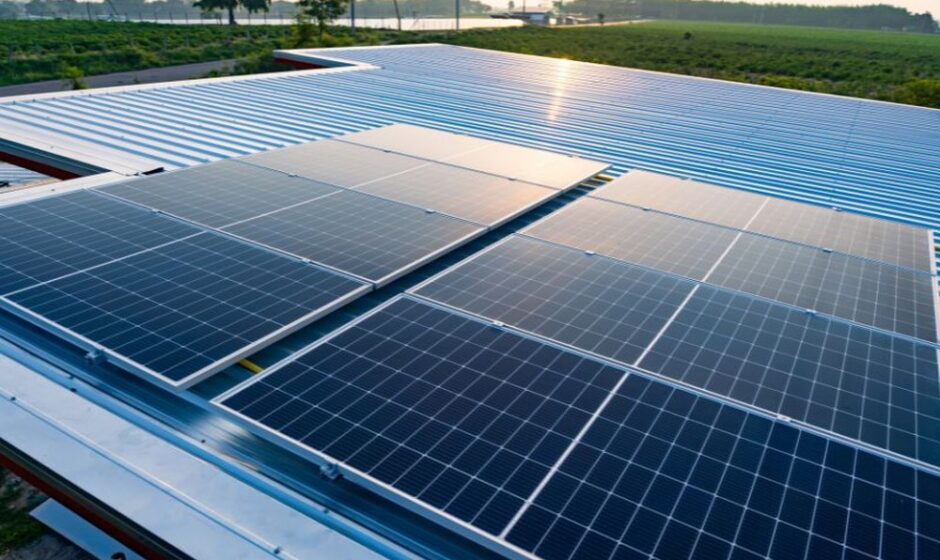

As rooftop solar installations continue to increase across Oxford’s residential streets and historic neighborhoods, questions about health and electromagnetic (EM) exposure are becoming more common. Some residents express concern about so-called “solar sickness,” a term often used online to suggest that solar panels or inverters emit harmful radiation.
In reality, solar energy systems operate using well-understood electrical principles and are subject to strict safety standards in the UK. Understanding how these systems function helps separate scientific evidence from persistent myths.
What People Mean by “EM Exposure” in Home Solar Systems
Electromagnetic fields are produced whenever electricity flows through a wire. This includes everyday devices already common in Oxford homes, such as kettles, televisions, Wi-Fi routers, and phone chargers. Solar systems are no different in this regard, as they simply generate and transport electrical current.
Typical EM sources in a solar setup include:
- Solar panels, which convert sunlight into direct current (DC) electricity
- Inverters, which convert DC into alternating current (AC) for household use
- Standard household wiring, which distributes power throughout the property
Common Myths Circulating in Oxford Communities
Concerns about EM exposure often spread through social media or informal neighbourhood discussions rather than through scientific channels. Several claims appear repeatedly, despite lacking credible evidence.
Frequently repeated myths include:
- Solar panels “radiate constantly,” even when not generating electricity
- Inverters emit dangerous levels of radiation into living spaces
- Homes with solar systems experience higher rates of headaches or fatigue
- Children are more vulnerable to EM exposure from rooftop installations
In Oxford, solar installations must comply with UK electrical safety regulations that already apply to all domestic electrical systems.
How EM Levels from Solar Compare to Everyday Devices
When measured, EM emissions from solar components are typically far lower than those from common household appliances. In fact, the strongest EM fields usually come from devices that are already accepted as safe.
For perspective, EM exposure is generally higher from:
- Hairdryers and electric shavers used at close range
- Microwave ovens during operation
- Mobile phones held near the head
- Wi-Fi routers placed in living spaces
Why Health Authorities Do Not Support the “Solar Sickness” Claim
Public health bodies rely on long-term population studies and controlled laboratory testing. To date, there is no verified medical condition recognised as being caused by residential solar energy systems.
Health assessments consistently conclude that:
- EM fields from solar equipment remain well below recommended exposure limits
- No biological mechanism has been established linking low-frequency EM fields to illness
- Reported symptoms are more likely related to unrelated environmental or lifestyle factors
Installation Quality Matters More Than EM Exposure
While EM fears are largely unfounded, installation quality does affect overall safety and system performance. Poor electrical work can lead to unrelated hazards such as overheating or equipment failure, which is why professional installation remains essential.
Best practices for Oxford homeowners include:
- Using certified installers familiar with local building regulations
- Ensuring inverters are properly ventilated and positioned away from bedrooms
- Scheduling routine inspections to confirm wiring integrity
- Keeping documentation of system specifications and safety testing
A Practical Perspective for Oxford Residents
Solar energy supports Oxford’s broader sustainability goals while reducing household energy costs. Allowing fear of EM exposure to discourage adoption can limit access to both environmental and financial benefits.
A balanced understanding recognises that:
- Solar systems function within the same electrical framework as all domestic appliances
- EM exposure from solar equipment is minimal and regulated
- Long-term use across millions of homes globally has not produced credible health warnings
For Oxford households considering renewable energy, informed decisions grounded in evidence provide far more protection than reacting to alarming but unproven claims. Solar technology, when properly installed and maintained, remains a safe and responsible choice for powering homes in a modern, health-conscious community.