
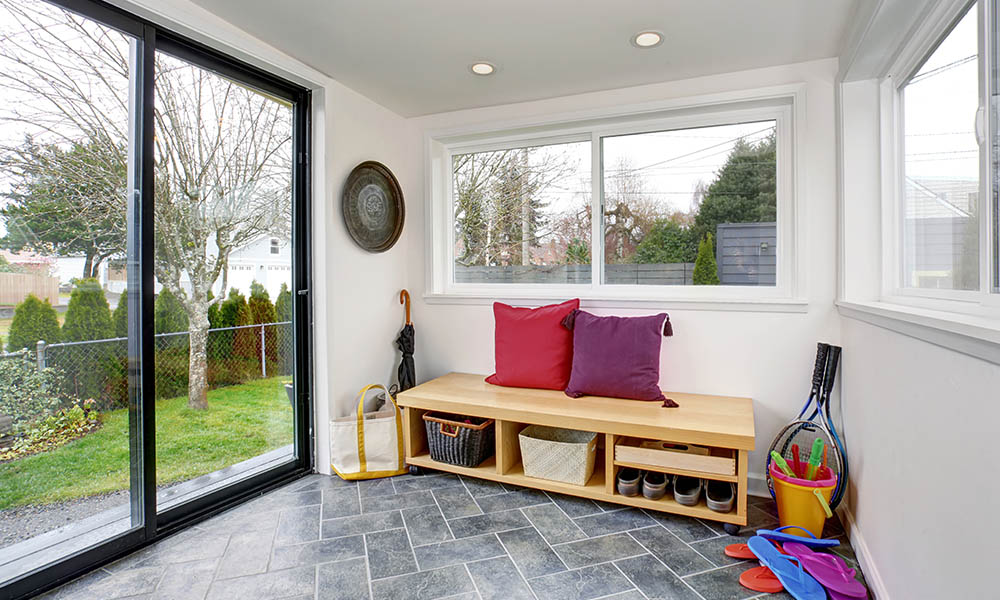

In Tampa, where daily life often shifts between humid outdoor conditions and cool, air-conditioned interiors, the mudroom serves as a vital transition space. A well-designed sensory mudroom does more than store shoes and bags; it helps residents mentally and physically shift from the busy outdoors to the comfort of home.
By thoughtfully using texture and scent, Tampa homeowners can create a calming, functional entry that supports better daily transitions.
Why Sensory Design Matters in Tampa Mudrooms
Tampa’s coastal climate brings sand, moisture, and heat into the home. A sensory-focused mudroom responds to these conditions while improving comfort and organization.
Key benefits include:
- Reduced stress after commuting or running errands in traffic and heat
- Improved cleanliness by encouraging intentional entry routines
- A welcoming first impression for guests entering Tampa residences
Texture Choices That Support Comfort and Cleanliness
Texture plays a major role in how a mudroom feels underfoot and to the touch. In Tampa homes, materials must handle moisture while remaining comfortable.
Effective texture strategies include:
- Slip-resistant flooring: Porcelain tile or sealed concrete provides cooling relief after outdoor heat and handles wet shoes after summer storms.
- Layered entry mats: Coconut fiber or rubber-backed mats trap sand and debris common near Tampa beaches and parks.
- Soft seating surfaces: Cushioned benches with washable covers offer comfort when removing shoes, especially for children and seniors.
- Natural wood accents: Light-toned woods on hooks or shelving add warmth and balance cooler floor materials.
The goal is to combine durability with tactile comfort, making the space feel supportive rather than purely utilitarian.
Using Scent to Encourage Relaxed Transitions
Scent strongly influences mood and perception. In Tampa mudrooms, gentle fragrances can counteract outdoor odors and signal emotional comfort upon entry.
Recommended scent approaches include:
- Citrus notes: Lemon or grapefruit refresh after humid outdoor conditions and promote alertness during busy mornings.
- Herbal blends: Lavender, basil, or eucalyptus provide calming effects after work or school.
- Natural air circulation: Small windows or ventilation fans reduce moisture buildup and prevent lingering odors.
- Scented storage solutions: Cedar-lined cubbies or sachets in cabinets keep shoes and coats smelling clean without overpowering the space.

Storage That Supports Sensory Organization
Visual and tactile order helps reinforce calm transitions. Tampa households often juggle outdoor gear, umbrellas, and sports equipment, making smart storage essential.
Helpful storage features include:
- Open cubbies with soft liners: Easy access encourages consistent use and reduces clutter on floors.
- Closed cabinets for seasonal items: Keeps visual noise low while protecting belongings from humidity.
- Textured baskets: Woven or fabric containers add softness while separating personal items.
- Dedicated drying zones: Hooks and drip trays prevent moisture from spreading throughout the room.
Lighting That Complements Sensory Comfort
Lighting influences how texture and scent are perceived. In Tampa mudrooms, balancing brightness and warmth is especially important due to frequent changes between daylight and interior lighting.
Effective lighting strategies include:
- Soft overhead fixtures with warm color temperatures
- Under-shelf lighting to illuminate storage without harsh glare
- Motion-activated lights that improve safety during evening arrivals
Creating a Transition Ritual for Tampa Living
A sensory mudroom works best when it supports habitual routines. Removing shoes, washing hands, and storing belongings become calming rituals instead of rushed tasks.
By combining:
Final Thoughts
In Tampa’s active, outdoor-oriented lifestyle, the mudroom plays a critical role in protecting the home and supporting daily comfort. Sensory design through texture and scent adds a human-centered layer to practical planning.
When thoughtfully executed, a sensory mudroom becomes a space that not only manages dirt and moisture but also restores balance, helping residents step calmly from the outside world into their personal sanctuary.