
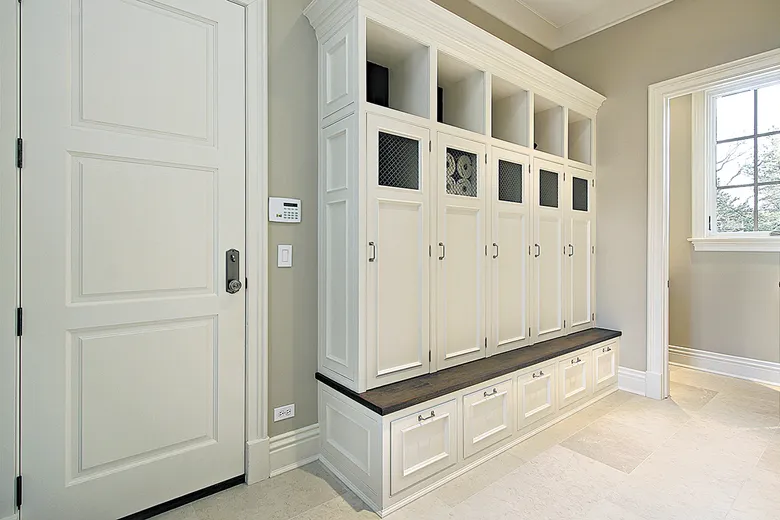

In fast-paced urban environments like Houston, daily life often shifts rapidly between professional demands, family responsibilities, and social commitments. These constant transitions can strain mental focus and emotional balance. A well-designed mudroom serves as a purposeful buffer between the outside world and the private interior, offering more than simple storage.
In Houston homes, where weather, traffic, and busy schedules shape daily routines, mudrooms play a meaningful role in supporting mental reset and emotional clarity.
The Psychology of Transitional Spaces
Transitional spaces help the brain switch modes. When people move directly from outdoor stress into living areas, the mind receives no signal that it is time to slow down. A mudroom creates a short pause that allows emotional decompression before entering the main living space.
This design principle is particularly valuable in Houston, where long commutes and unpredictable weather often heighten daily stress. A brief stop in a calm, organized entry area helps the mind recognize that one phase of the day has ended and another is beginning.
Key mental benefits of transitional spaces include:
- Reduced cognitive overload after busy outings
- Improved emotional regulation before family interactions
- Stronger separation between work and home life
- Organization as a Source of Mental Clarity
Clutter has a measurable impact on mental fatigue. When shoes, bags, and jackets scatter through living areas, the visual noise increases tension. A mudroom localizes disorder and keeps it contained at the home’s edge.
In Houston households with active lifestyles, sports gear, rain accessories, and daily essentials accumulate quickly. A dedicated mudroom provides structured storage that supports both physical and mental order.
Effective organizational features include:
- Closed cabinets to hide visual clutter
- Labeled bins for family members
- Hooks are placed at a comfortable reach for daily use
When items have a designated place, decision fatigue decreases, and daily routines become smoother.
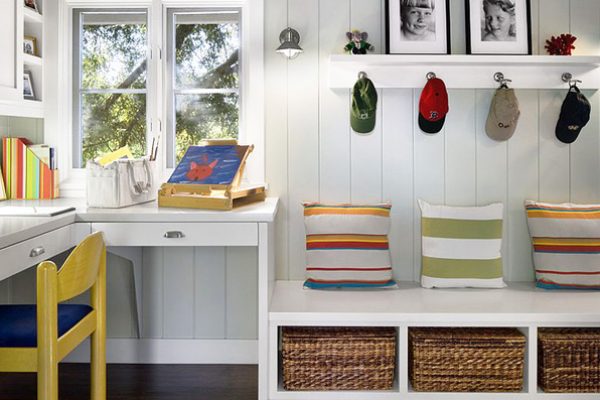
Sensory Design and Emotional Regulation
A mental reset is not only about organization but also about sensory comfort. Thoughtful mudroom design can use texture, lighting, and color to create calming cues that promote emotional stability.
In Houston’s warm climate, cool-toned tiles, soft wall colors, and breathable seating materials can help regulate body temperature while enhancing comfort. Natural light from nearby windows further reduces stress and improves mood during transitions.
Helpful sensory design elements include
- Soft bench cushions for brief resting moments
- Warm lighting for early mornings and evenings
- Natural materials that reduce visual harshness
These subtle features help signal safety and relaxation to the nervous system.
Supporting Healthy Daily Routines
Mudrooms strengthen habits that promote mental well-being. Removing shoes, placing keys in consistent spots, and changing into comfortable clothing create predictable patterns that reinforce feelings of control.
In Houston, where seasonal rain and outdoor dust are common, these routines also protect indoor cleanliness. Clean spaces support restful environments, which directly contribute to emotional recovery after demanding days.
Routine-supporting features may include:
- Shoe trays that simplify cleaning
- Drop zones for work items
- Laundry access for quick clothing changes
Such design choices streamline transitions and minimize daily friction.
Enhancing Family Harmony and Social Boundaries
Mudrooms also improve social dynamics within households. When everyone enters and exits through the same organized zone, conflicts over misplaced items decrease. Children learn responsibility through routine storage habits, while adults benefit from reduced household tension.
In Houston’s multi-generational homes, mudrooms provide respectful boundaries between outdoor mess and shared living areas. This boundary protects common spaces and supports peaceful interactions, especially after busy school or workdays.
A Small Space with Long-Term Mental Benefits
Though often compact, mudrooms deliver long-lasting psychological advantages. They create structured pauses, support organization, and promote emotional stability. Over time, these benefits accumulate into improved stress management and stronger home comfort.
For Houston residents balancing demanding schedules and active lifestyles, investing in transitional space design offers more than aesthetic value. A well-planned mudroom becomes a daily mental reset zone, quietly supporting emotional resilience and healthier routines at the threshold of home.